NewClear Neural
TITLE: NewClear Neural
ARTISTs: Gazelle Dasti
25 August - 2 SeptemBER 2025
Introduction
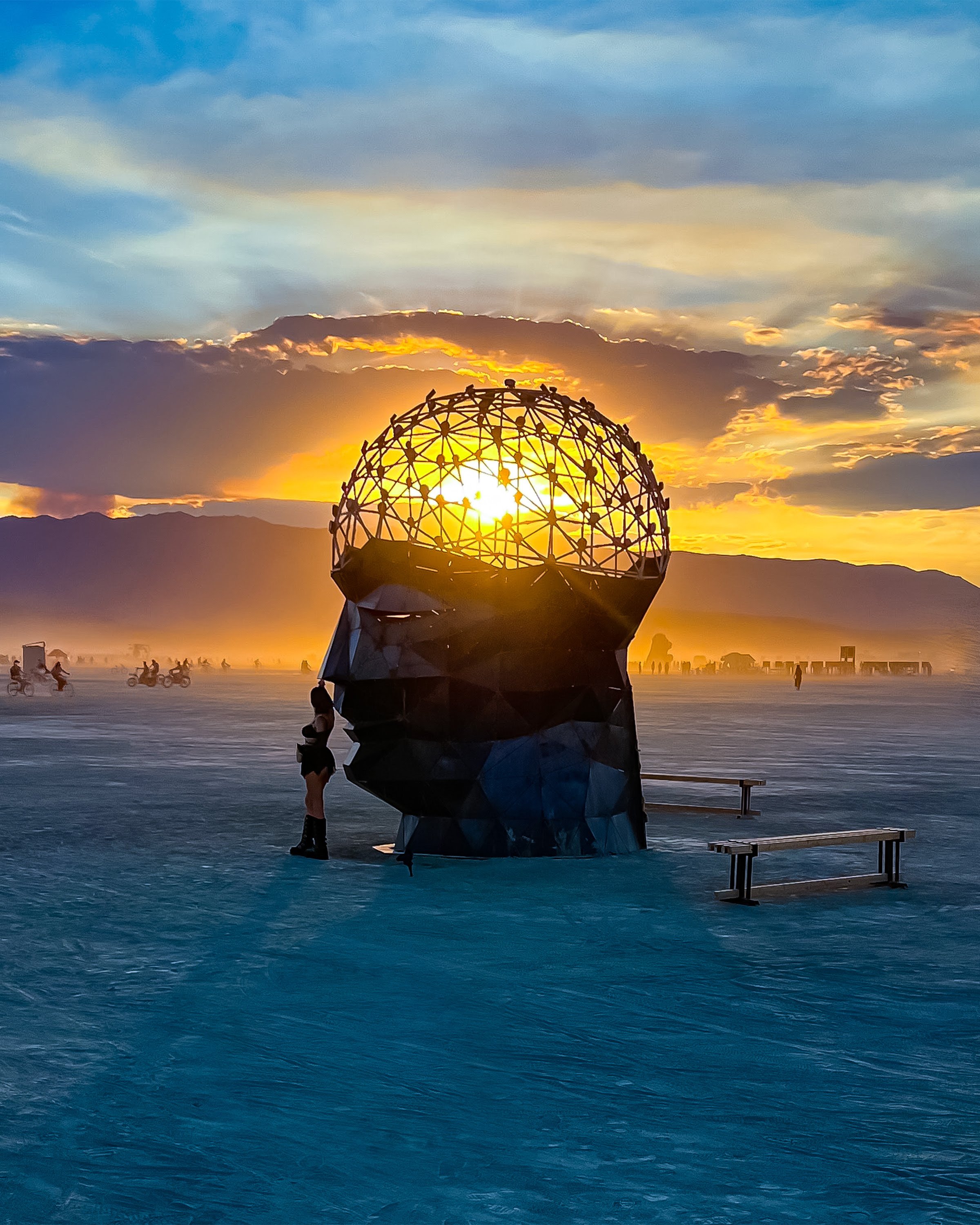
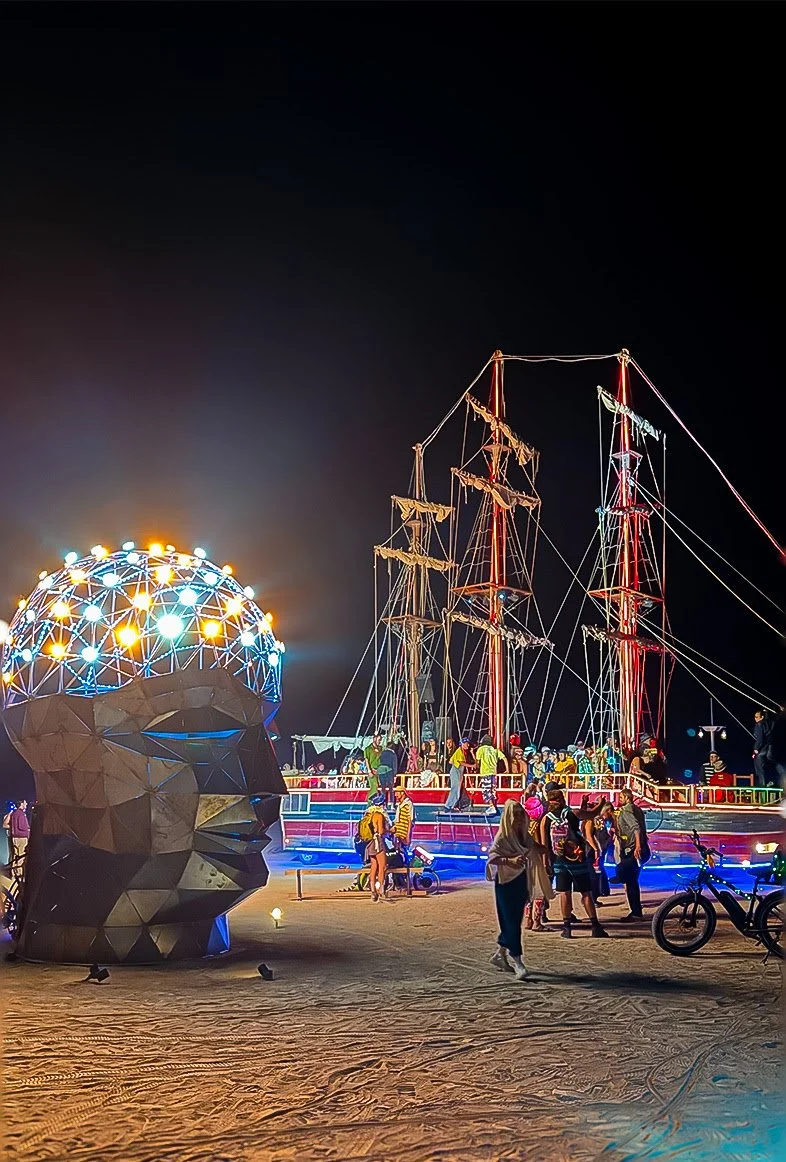
NewClear Neural is a 17-foot immersive steel sculpture presented at Burning Man 2025 as part of the Lotus Art Fund cohort. The work represents a human head infused with illuminated neural pathways that react to surrounding sound. Built from steel and fitted with energy-efficient, sound-reactive LEDs, the piece explores the intersection of human consciousness, technology, and collective experience.
Fabricated in Ohio and designed to withstand the harsh playa environment, NewClear Neural invited participants to witness and influence the sculpture’s illuminated “mind” through sound interaction. The structure was built with longevity and reusability in mind, with modular components that can be reinstalled at future exhibitions.
Climate Approach to Project
NewClear Neural was designed and installed with a low-impact approach using renewable energy, reusable materials, and clear emissions tracking. We follow Leave No Trace principles and align with Gallery Climate Coalition guidance.
Key Actions
Powered lighting using a wind turbine and 12V LiFePO4 batteries
Designed structure for long-term reuse with modular steel components
Tracked emissions using GCC Measure
Diverted all steel scraps to recycling streams
Used minimal packaging and removed all MOOP from site
Goals for Improvement
Increase renewable energy to fully power future installations
Use at least fifty percent recycled steel in fabrication
Reduce transport emissions through freight consolidation and regional shows
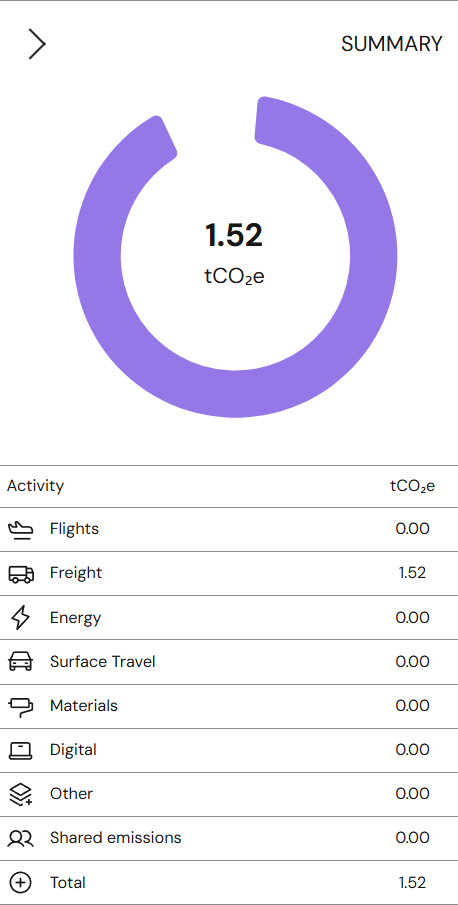
Carbon Emissions from Travel (tCO2e): 0.00 tCO2e
Carbon Emissions from Shipping (tCO2e): 1.52tCO2e
Carbon Emissions from Energy Use (tCO2e): 0.00 tCO2e
Emissions - Other Categories (tCO2e): 0.00
Emissions - Accuracy: Somewhat Accurate
Emissions Calculation Description & Methodology:
The emissions for this project were calculated using the Gallery Climate Coalition Carbon Calculator. The only emissions source for this project was long-distance ground freight. The sculpture and equipment were transported round trip by a diesel Chevrolet 2500 truck with a 25-foot flatbed trailer from Waterville, Ohio to Black Rock City, Nevada and back for a total distance of approximately 5,500 miles. The total transported weight was 2,500 pounds which is equivalent to 1,134 kilograms. No air travel, accommodations generator fuel, or grid electricity were used for this project. All onsite power was supplied by a wind turbine and battery system resulting in zero energy emissions.
Waste Report Description & Methodology:
This project followed Burning Man’s Leave No Trace standard. No waste was generated on site other than minor packaging and personal items, all of which were packed out and disposed of off site. No metal offcuts or fabrication waste were brought to the event. All materials used in the sculpture were returned intact for reuse in future installations.
Climate Actions Taken:
Powered the sculpture fully with a wind turbine and 12 volt battery setup with no generator use
Designed and fabricated the structure for multi-year reuse with durable modular components
Used a single outbound freight trip to deliver the artwork then returned with an empty trailer to minimize transported weight and emissions
Tracked all shipping and energy activity using the GCC Carbon Calculator for transparency and future planning
Fully followed Leave No Trace practices on site and packed out all items and waste
Stored all parts after deinstallation for reuse in future exhibitions rather than disposal
How did the project support staff to take climate action?
All members of the build and install team were informed about the project’s sustainability goals from the start, including the use of renewable power, responsible transport planning, and Leave No Trace practices. The team participated in waste-free build and strike processes, packed out all materials, and reused or stored supplies rather than discarding them.
How did the project promote collective action or movement building?
The project invited participants and fellow artists to engage with renewable power through a visible wind turbine and off-grid lighting system, demonstrating a practical alternative to generator use at large-scale events. By openly sharing our emissions data and Climate Impact Report, we encouraged other artists in the Burning Man and Lotus Art Fund communities to adopt similar measurement and reduction practices. The installation also modeled a modular, reusable approach to fabrication and transportation that supports long-term sustainability across multiple exhibitions.
Reflections from Presenting Partner, Artists, and other stakeholders:
As the artist and primary stakeholder for this project, I found that including climate impact planning and reporting from the beginning made the process more intentional and aligned with my values. Using renewable energy on site showed that a large-scale work can be fully powered without a generator, and that inspired both the team and other artists around us. Tracking emissions helped me understand the real impact of freight and transportation and gave me a clear starting point for future reductions. This experience confirmed that creative work and climate action can go hand in hand, and that transparency and shared learning strengthen our community.
Exhibition credits:
Artist
Gazelle Dasti
Presenting Partner
Burning Man
Core Sponsor
Lotus Art Fund
Fiscal Sponsor
Mystic Art Foundation
Fabrication and Production Support
QSI Fab Studio
On-Site Install Support
Conrad Riley
Renewable Power System
Wind turbine and battery system designed and implemented by the artist
Photography and Documentation
Gazelle Dasti
Keenan Hock